STUDY 01
Targeted Subcutaneous Vibration With Single-Neuron Electrophysiology
Vibrating specific parts of the body can change the activity of brain cells involved in mood and motivation, depending on where and how the vibration is applied.
Read nowPeer-reviewed
Our mission is grounded in evidence-based science. Below is a selection of peer-reviewed clinical research studies that demonstrate how vibration, neuromodulation, and dopamine regulation impact brain function, mood, and wellness.
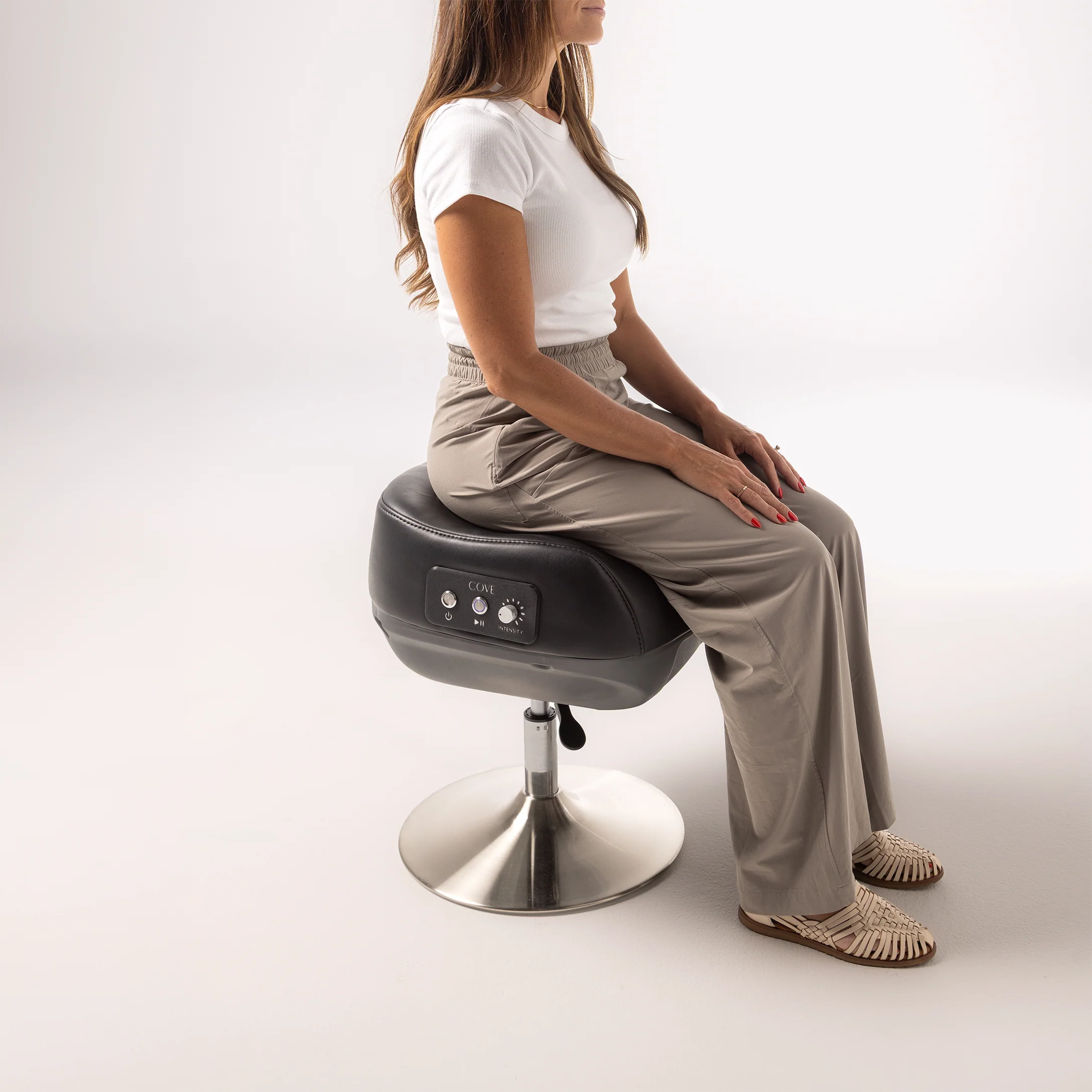
Vibrating specific parts of the body can change the activity of brain cells involved in mood and motivation, depending on where and how the vibration is applied.
Read nowWhole-body vibration reduced brain and behavioral effects of opioid withdrawal in rats, showing promise as a supportive therapy for treating opioid addiction.
Read nowA specialized form of whole-body vibration significantly reduced anxiety in people undergoing opioid withdrawal, showing promise as a non-invasive, drug-free treatment option.
Read nowLow-frequency vibration on the neck can increase dopamine and change brain cell activity in areas linked to motivation and addiction, using natural brain chemicals like opioids and acetylcholine.
Read nowA specific vibration technique reduced time to fall asleep and enhanced brain activity associated with deeper, restorative sleep.
Read nowMechanical stimulation helped counteract brain and behavioral effects of alcohol withdrawal in rats, suggesting improved mood and reduced relapse-related responses.
Read nowThese statements have not been evaluated by the Food and Drug Administration. This product is not intended to diagnose, treat, cure, or prevent any disease. Experiences and outcomes vary.